Swarm Contrastive Decomposition
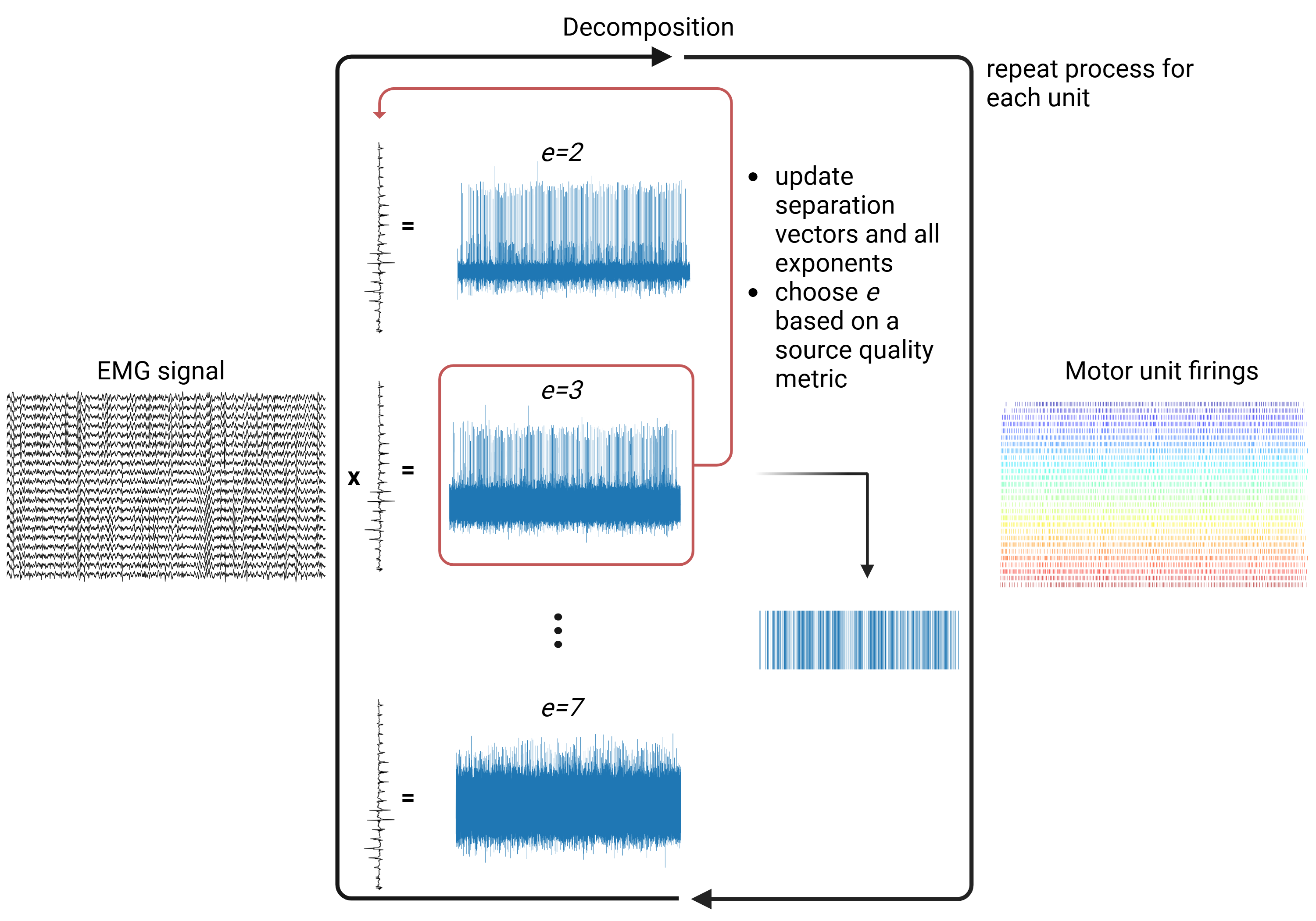
A Python/PyTorch package using particle-swarm-optimised source separation to decompose high-density EMG.

Research Associate · Machine learning for neural interfaces
Imperial–Meta Wearable Neural Interfaces Research Centre · Imperial College London
I develop machine-learning and signal-processing methods to extract individual motor neuron activity from high-density electromyography (EMG). I apply this work to neural interfaces and assistive technology, including research after spinal cord injury.
Since 2025, I have been a Research Associate at the Imperial–Meta Wearable Neural Interfaces Research Centre at Imperial College London, working with Prof. Dario Farina. My current work connects EMG signal processing with wearable neural interfaces and their potential applications in neurorehabilitation.
During my PhD in AI and Machine Learning in the CDT in AI4Health at the Department of Computing, Imperial College London, I studied high-density electrode arrays and methods for connecting with the human spinal cord. I also build open-source tools for EMG decomposition and review.
A Python/PyTorch package using particle-swarm-optimised source separation to decompose high-density EMG.
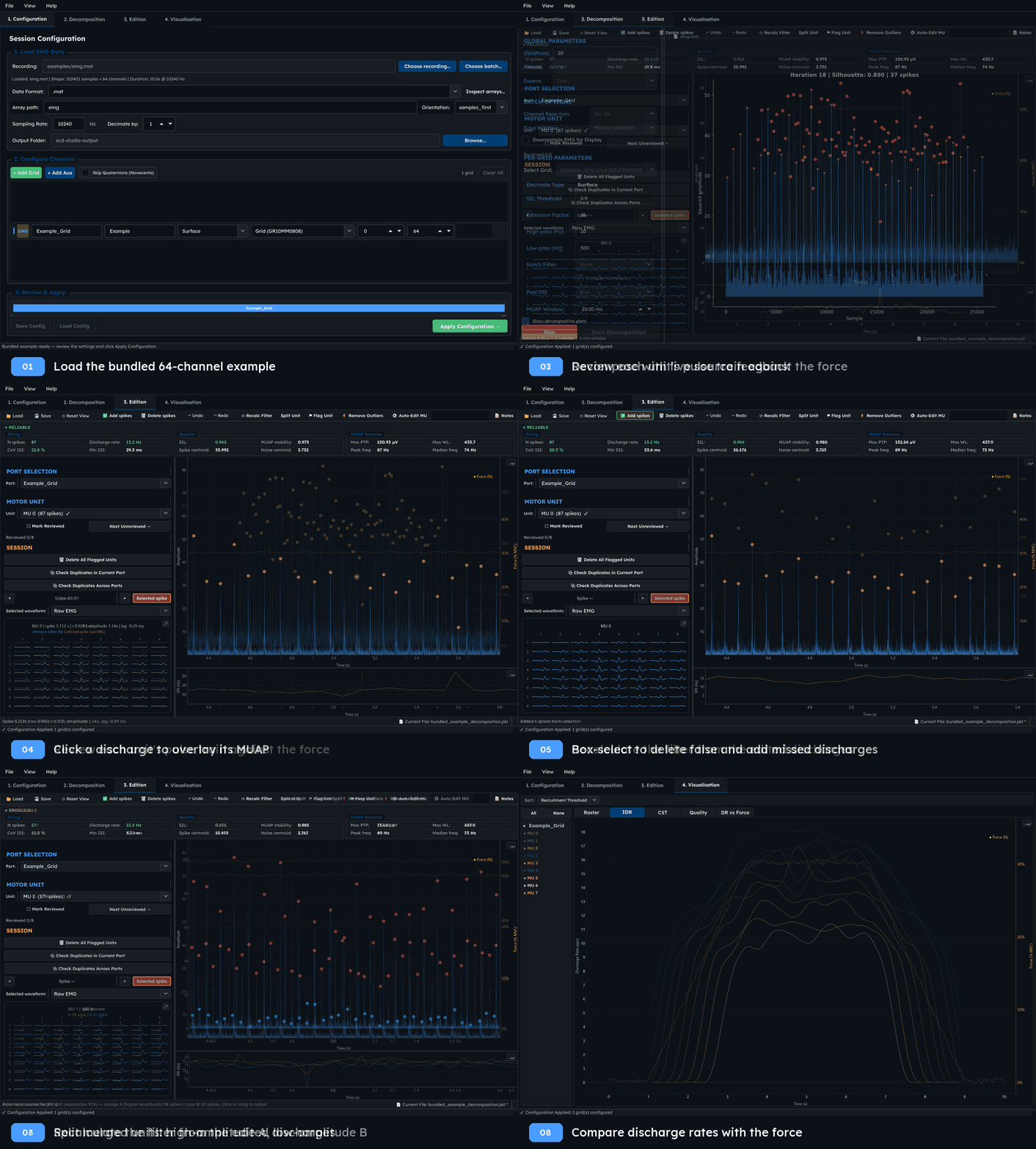
A Qt/Python desktop application for GPU-accelerated decomposition and motor unit review and editing.
Developing methods to separate individual motor unit activity from complex EMG recordings.
NeurIPS 2026 (accepted); arXiv:2406.19581
The Journal of Physiology, 603(8), 2281–2300 (2025)
IEEE Transactions on Biomedical Engineering, 72(1), 227–237 (2025)
Using motor neuron activity to enable multidimensional control after spinal cord injury, including a soft assistive glove.
Nature Human Behaviour (accepted); medRxiv preprint, 2025
medRxiv preprint, 2025
Studying how electrode design and sampling affect the motor units that can be recorded.
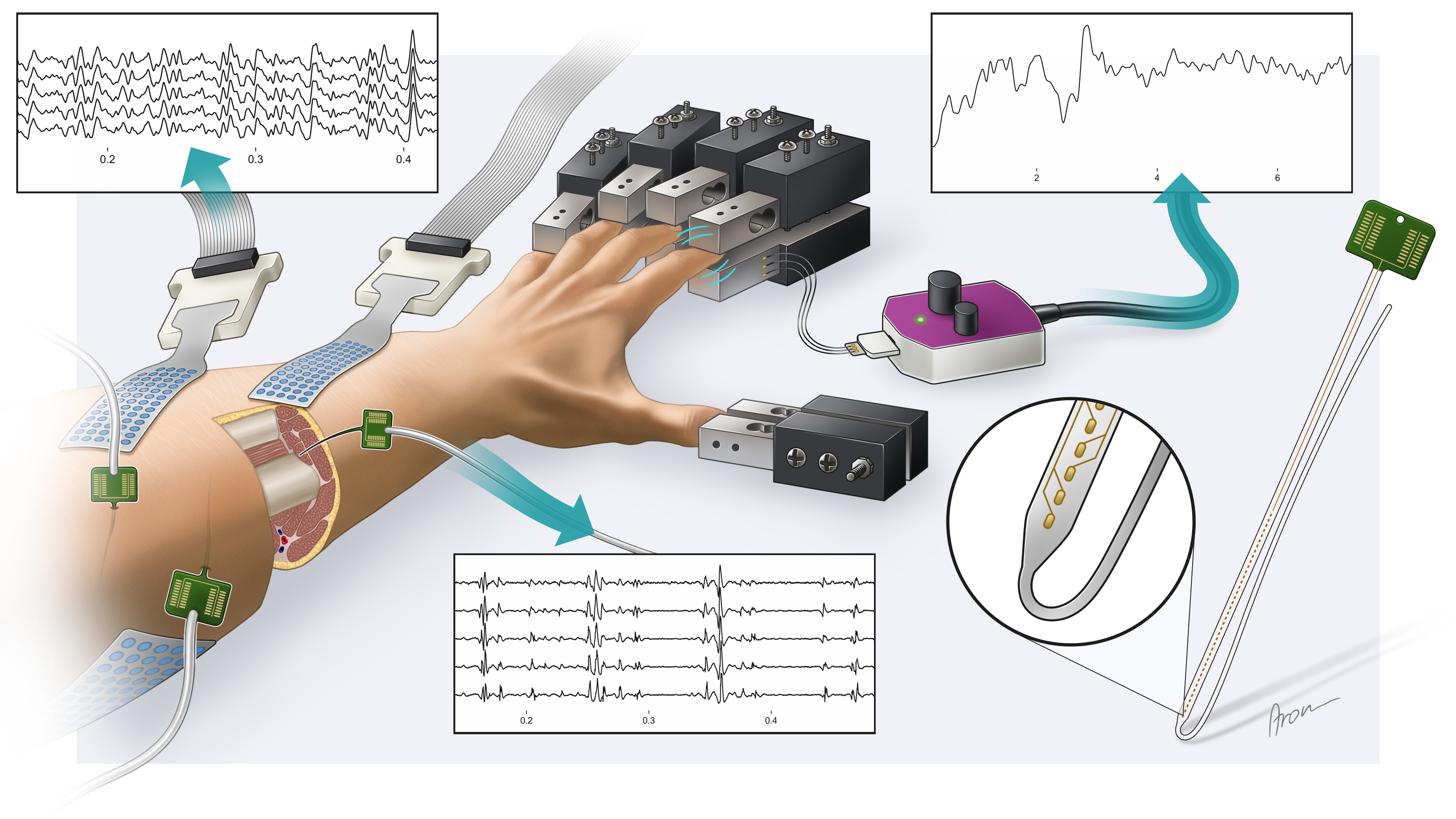
IEEE Transactions on Neural Systems and Rehabilitation Engineering, 33, 620–629 (2025)
Sensors, 24(6), 1810 (2024)
Evaluating what motor neuron recordings can decode and how decomposition methods are benchmarked.
Interface Focus, 16, 20250063 (2026)
NeurIPS 2025 · Datasets & Benchmarks Track
* Equal contribution. Selected papers; view all publications on Google Scholar.
For questions or collaborations in motor unit decomposition, neural interfaces, and assistive technology, email agnese.grison@outlook.it.
GitHub · Google Scholar · ORCID · LinkedIn
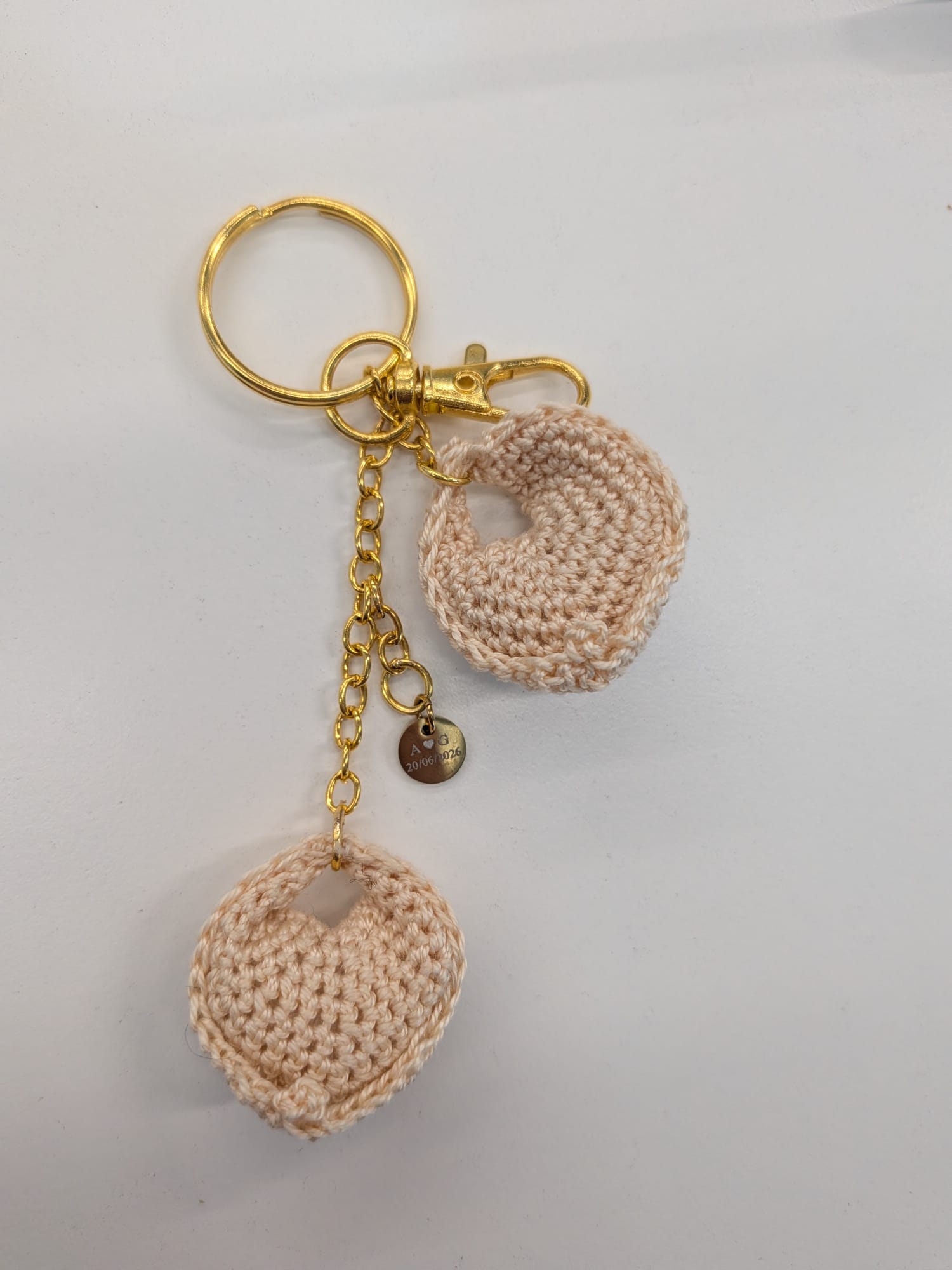
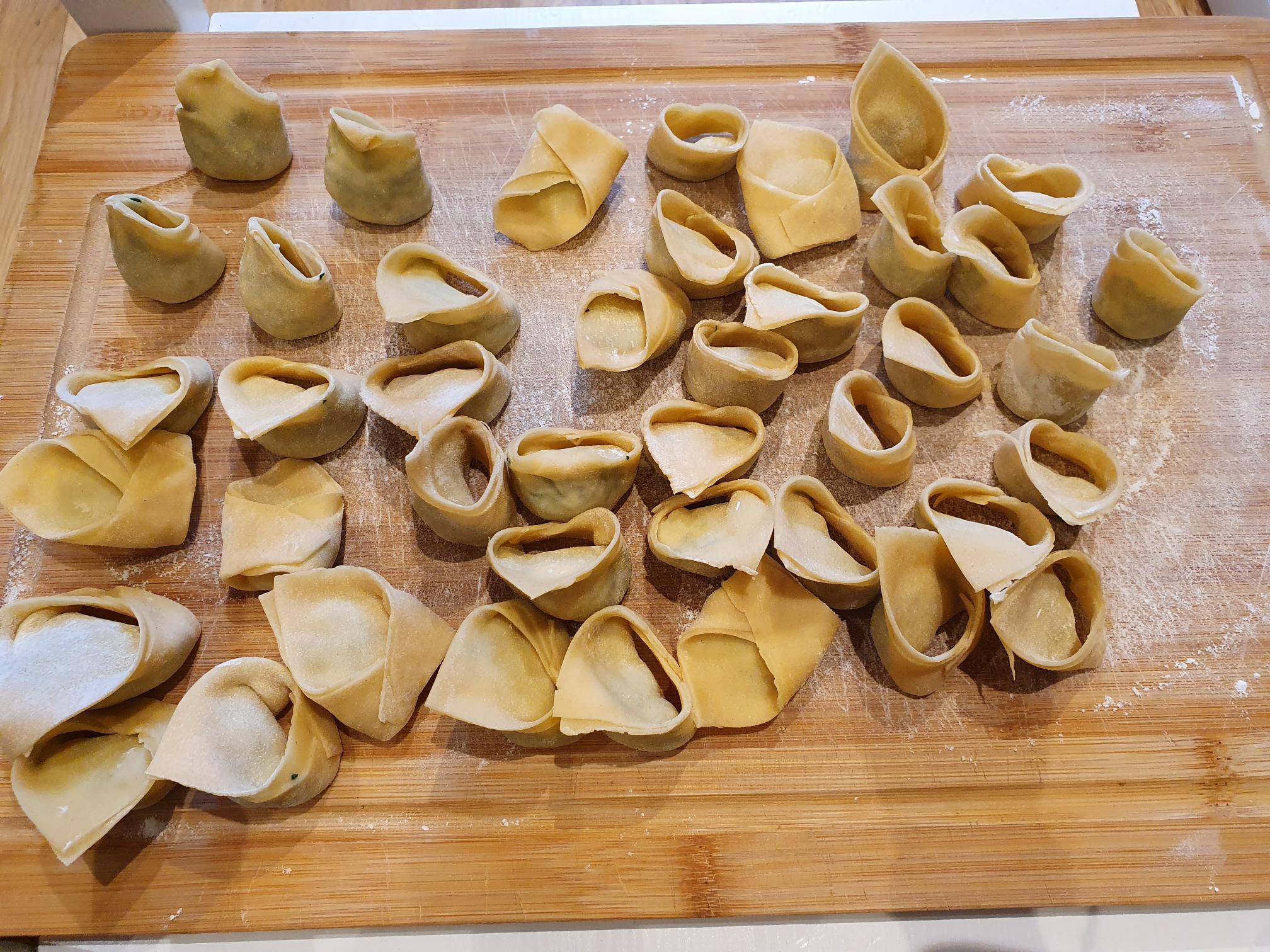
I grew up in Udine and joined the AGESCI Udine 1 Scout group when I was seven. One of my earliest memories there is earning the “Mani abili” (“Handicraft”) badge. Making things with my hands has always mattered to me; it was one of the main reasons I chose engineering. I still try to make time for it, whether I'm knitting, painting, or making pasta from scratch (the Italian in me). The tortellini here come in two versions: one crocheted, one made from dough.
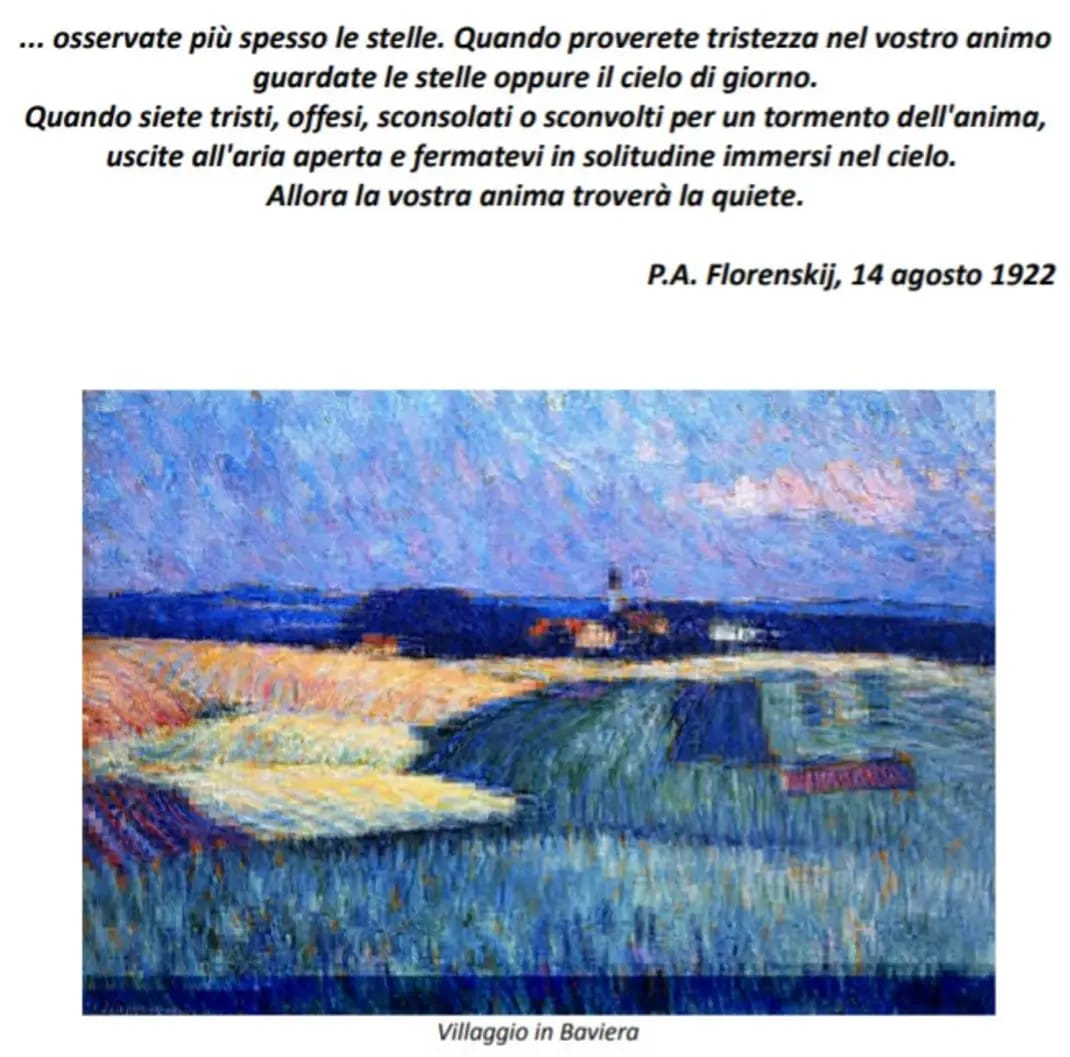
My dad was a philosophy teacher, so philosophy was part of my life long before I studied it in high school. I've loved it ever since. During those years, I explored the work of Simone Weil, P. A. Florenskij, Hannah Arendt, Emmanuel Levinas, and F. M. Dostoevskij in depth.
When I think about philosophy, I picture Aristotle and his students discussing ideas as they walked. Some of my own best ideas come on a walk, and I hope to keep finding time to walk and think for as long as I can.
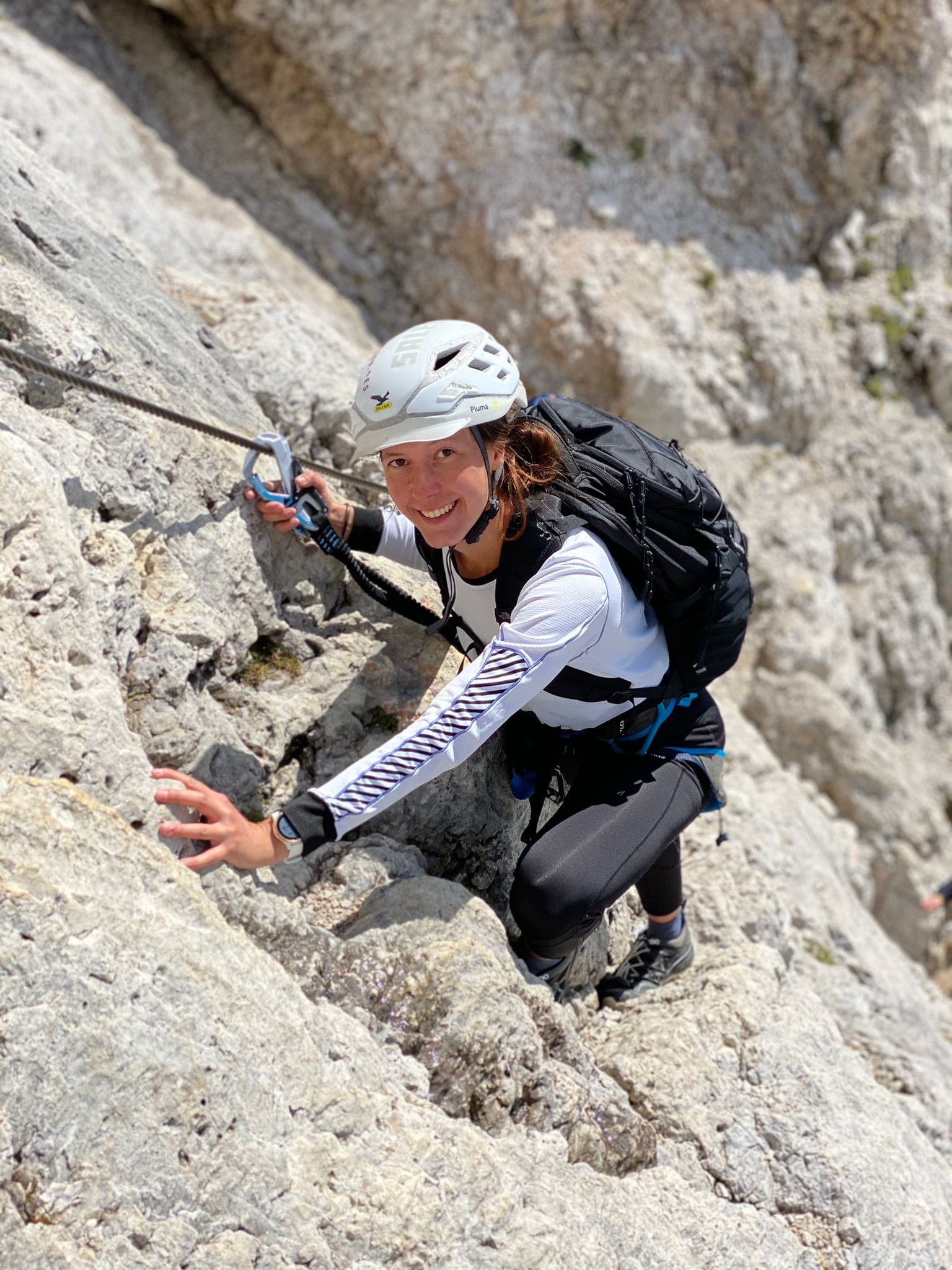
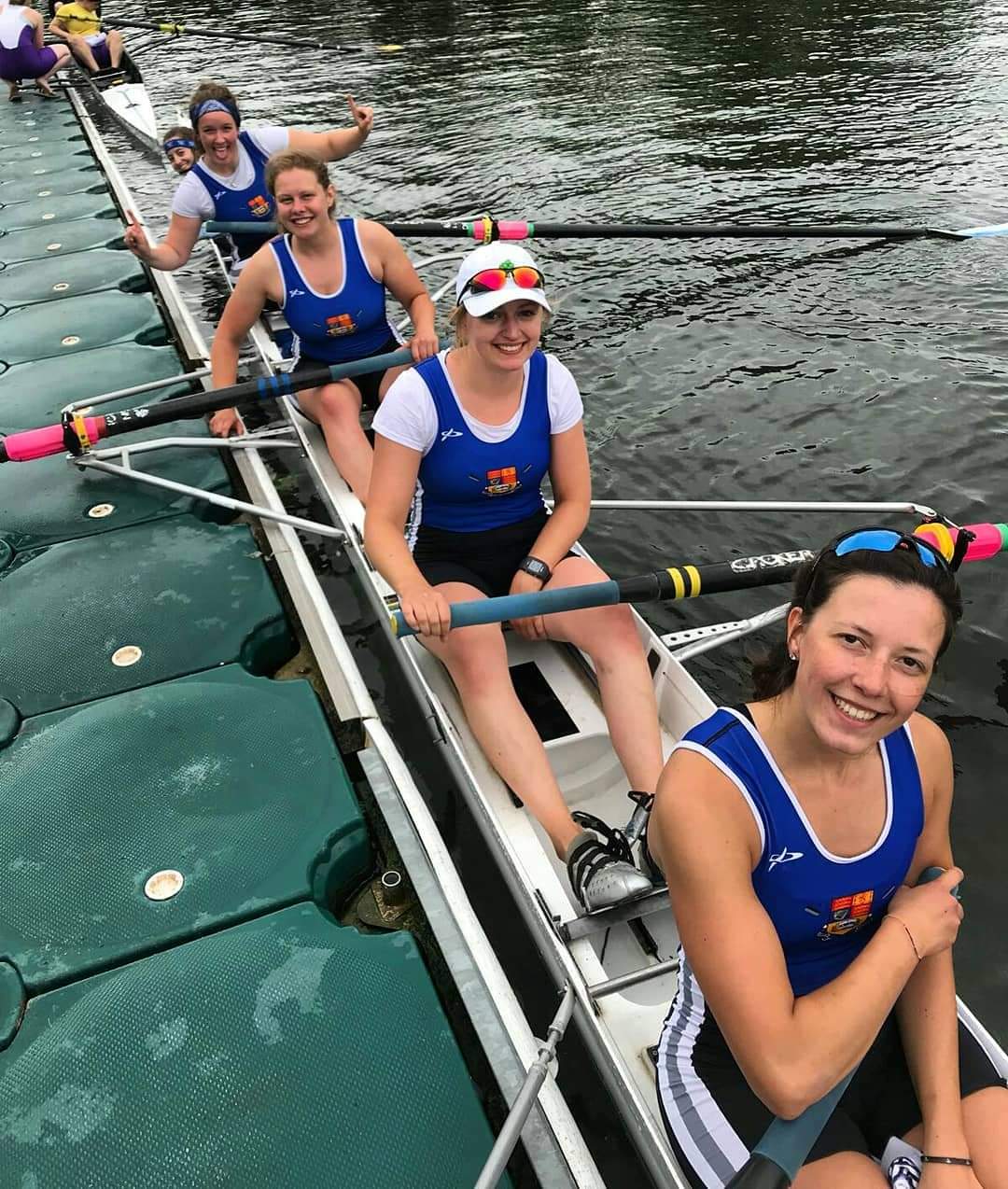
I've always enjoyed being outdoors and staying active. When I was little, climbing meant reaching the top of our bookcase and nearly giving my grandmother a heart attack; these days, I prefer hiking and bouldering. I love being on the water too - it reminds me of Trieste, a city I love. I joined the Imperial College Boat Club in my first year at Imperial. It was hard work, but I loved every minute of it.